
2026 / 07 / 06
The Top Psychological Reasons Consumers Connect with Branded Plushies
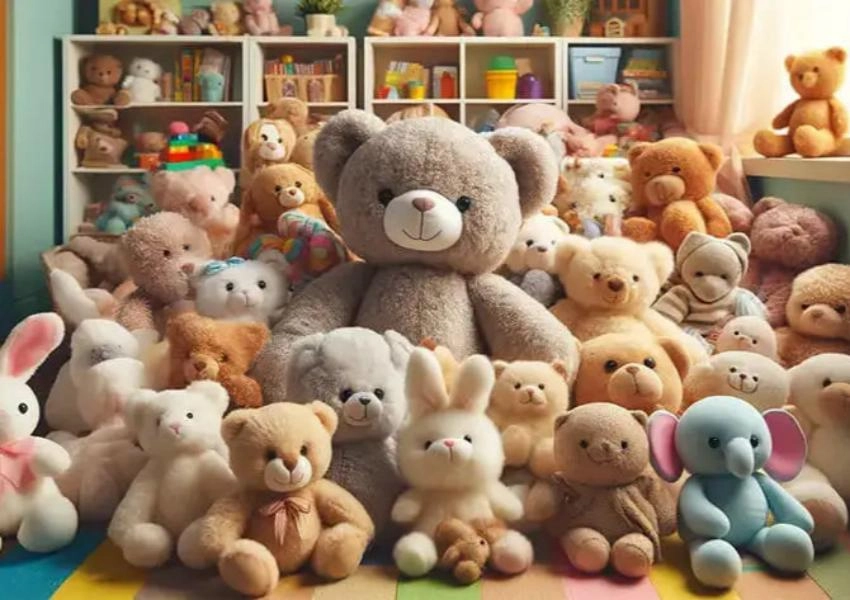
Stuffed toys, also known as plush or soft toys, have evolved into powerful emotional symbols in modern branding. They embody the values, personality, and emotional tone of a brand through tangible design and storytelling. When customers interact with a plush mascot or collectible, they are not merely holding a toy—they are connecting with the brand’s essence. This tactile representation builds familiarity and trust that digital campaigns alone cannot replicate.
The Evolution of Soft Toys from Playthings to Brand Artifacts
The journey of plush toys from children’s playthings to cultural icons mirrors broader shifts in consumer psychology. Once confined to nurseries, soft toys now occupy shelves of adult collectors and feature prominently in lifestyle marketing. Brands leverage this nostalgia to connect emotionally with audiences who associate plush textures with comfort and care. This evolution aligns closely with experiential marketing trends that emphasize sensory touchpoints over transactional messaging. Through collectible editions like our Wild Sloth, we transform simple designs into meaningful artifacts that tell stories about creativity, quality, and belonging.
Emotional Design Principles in Custom Plushies
Applying Emotional Design Frameworks to Soft Toy Creation
Emotional design brings together looks, function, and feeling, which applies these to every single part of a plush toy’s creation. Designers carefully balance the softness of the texture, and they also look at the symmetry of the facial expression and the overall shape. This careful work brings out empathy and a sense of attachment. A great plush design invites people to use multiple senses, which encourages users to touch, hug, or proudly display the item. Because of this, it strengthens the emotional memory tied to the brand.
How Color, Texture, and Form Communicate Brand Personality
Color psychology is very important, which shapes how buyers view soft toys. Soft pastel colors show warmth and build trust. Bright and vibrant colors suggest high energy and fun. Changes in texture also matter a lot. A toy might use velvety fur or smooth microfiber, and these physical details create a touchable identity that matches the company’s mood. In a similar way, round shapes make a toy look friendly. On the other hand, sharper lines point to modern energy or new ideas.
Our Owl Plush Toy is a perfect example of this mix, which has a balanced shape and soft colors. These features show intelligence mixed with a friendly vibe. This product reflects very careful craftsmanship, which is rooted in the basic rules of sensory branding.
Custom Plushies as Tools for Emotional Branding
Strengthening Consumer Connection Through Personalized Design
Customization changes stuffed toys into personal symbols, which build a strong link between brands and their audience. Companies can tailor specific features. They might change color schemes or add embroidered messages for certain groups of people, which makes the brand feel more real. It also encourages buyers to feel a personal connection to the item. Limited-edition projects raise the item’s perceived value even more, and they do this by making people want something that is rare.
Storytelling Through Character-Based Plush Design
Character-based plushies boost the power of storytelling. They turn complex brand stories into real, physical friends. Using the same visual style across different campaigns helps people recognize the brand quickly, and it also builds a lasting emotional bond that goes past the first sale. For example, a company might create a mascot series that changes with the seasons, which lets customers join in on a growing story. It turns quiet buyers into active, loyal fans.
The Psychological Mechanisms Behind Attachment to Soft Toys
The Role of Comfort Objects in Adult Consumer Behavior
Adults often keep a strong love for stuffed toys, which comes from memories made during their early childhood. Back then, soft textures meant safety and love. Today, these comfort items act as helpful tools. They connect past memories with how people express themselves right now. Brands use this lasting psychological link, and they design products that bring back warm memories. At the same time, these items fit into modern styles.
Emotional Triggers That Drive Collectibility and Loyalty
Collectibility depends on two main psychological factors. First, people expect a reward when an item is rare. Second, they feel strong affection for cute designs, and these cute looks trigger natural protective instincts. Sometimes, buyers notice that an item is hard to find. They also see charming details, like big eyes or soft, round shapes. When this happens, their emotional connection to the product grows very strong.
We create special, exclusive collections. These might be seasonal animal sets or small, festival-themed toys. Our design studios guide this entire process. Through this work, we build long-lasting interest. Customers stay engaged and eagerly wait for every new release.
Integrating Custom Plushies into Strategic Brand Communication
Aligning Product Aesthetics with Corporate Identity Systems
Careful planning ensures every soft toy matches the parent company’s look. We match the colors to the brand logo, and we also keep our material standards very steady, which shows both reliability and deep care. Using the same high-quality materials makes people trust the craftsmanship even more. Brands can mix digital ads with real, physical mascots, which creates a complete sensory experience. Customers will easily recognize the brand everywhere they look.
We use a smooth workflow across our three major factories. This setup supports small promotional orders, and it also handles huge mass-market distributions. We do all of this without losing any design details. This consistency is very important, which keeps the brand’s image strong and unified all around the world.
Using Plush Toys in Experiential Marketing Campaigns
Experiential marketing works best when people feel completely involved. Touching a physical item helps people remember things much better, which works far better than just looking at a picture. Companies can set up interactive displays with branded plush mascots. These setups encourage fun participation at events or in shops. Physical giveaways also help a lot. They keep the brand fresh in people’s minds long after the event ends.
We often use interactive displays at trade shows. These setups showcase models like the OEM Highland Cow. Visitors do not just look at the items. They get to touch them and feel the high craftsmanship quality firsthand. This approach connects digital stories with real, physical feelings.
Future Directions in Emotional Design for Branded Plushies
Sustainability is now a core part of emotional branding. Buyers often link ethical actions with true brand honesty. Eco-friendly fabrics, like recycled polyester, show real care for the environment. They do this without losing any soft, cuddly appeal. Being open about where materials come from builds trust. This trust is vital for emotional marketing. Our factories follow BSCI and ISO9001:2015 rules very closely. This ensures our production is easy to trace and meets global green standards.
We look beyond just the materials. We also focus on fair labor practices across our entire supply chain. Ethical honesty builds long-term trust between brands and their buyers. At the same time, it adds positive value to the well-being of the whole community.
About YIWU VICTORY IMP. & EXP. CO., LTD.
YIWU VICTORY IMP. & EXP. CO., LTD. Established in 2001, with 25 years of experience in plush toy design, manufacturing, and exportation. We operate three major production bases supported by two independent design studios located in Yangzhou City and Yiwu. Having been engaged in the plush toy industry for over 20 years, it has become a reliable partner in the global plush toy market. Our portfolio includes everyday retail items, amusement-industry prizes, pet toys for cats & dogs, seasonal gifts, and promotional collectibles—all customizable under strict international certifications, including EN71 and ASTM standards. We have professional business teams that can offer personalized service and after-sale service effectively. We welcome partners seeking tailored solutions that merge artistry with precision engineering; contact us anytime through our online platform for collaboration inquiries.
FAQ
Q1: What makes custom stuffed toys effective tools for brand identity?
A1: They turn hidden values into real, physical experiences. They use specific textures, color psychology, and clear shapes. These details reflect the company’s true personality. At the same time, they build strong emotional loyalty among buyers.
Q2: How do sustainable materials influence consumer perception?
A2: Green fabrics show true responsibility and openness. Buyers link these good qualities to brands they can trust. Because of this, using eco-friendly materials improves a brand’s image in the market.
Q3: Can digital features enhance traditional plush marketing?
A3: Yes, they certainly can. Physical products can unlock deep virtual experiences. This modern approach strengthens long-term customer interest well after the initial sale.


