2026 / 08 / 10
Cantidad mínima de pedido (MOQ) para juguetes de peluche personalizados: Qué deben tener en cuenta los compradores antes de realizar un pedido.
La cantidad mínima de pedido (MOQ) es una de las primeras preguntas que hacen los compradores cuando un proyecto de peluche pasa del boceto al pedido final. Un número bajo suena conveniente, pero la respuesta rara vez se limita a una cifra en una cotización. La MOQ de un peluche personalizado depende de la cantidad de trabajo adicional que la fábrica deba realizar antes de que la producción en masa pueda funcionar sin problemas.
Para los compradores que buscan regalos, personajes para tiendas, premios para parques de atracciones o programas de peluches al por mayor, la pregunta útil no es simplemente "¿Hasta dónde puede bajar el precio?", sino "¿Qué hay que preparar antes de que la primera caja salga de la fábrica y qué partes del pedido se pueden compartir entre diferentes estilos?".
¿Por qué existe el MOQ en la fabricación de juguetes de peluche?
La cantidad mínima de pedido para los juguetes de peluche existe porque la fábrica tiene un trabajo fijo antes de poder empaquetar un solo juguete terminado. La creación de patrones, la confección de muestras, la selección de telas, las pruebas de bordado, la búsqueda de accesorios, la selección del relleno, los estándares de inspección, la preparación de la bolsa interior, el marcado de las cajas y el embalaje para exportación requieren tiempo. Estos pasos no se simplifican solo porque el primer pedido sea pequeño.
Un peluche sencillo de stock con un pequeño logotipo puede permitir una cantidad mínima de pedido (MOQ) menor. Una nueva forma de animal, una mascota con licencia, una colección navideña o un peluche con sonido, bordado, partículas con peso, pelo especial o varios tamaños generalmente requiere una MOQ mayor. La fábrica debe comprobar si el diseño se puede reproducir en producción, y no solo fabricar una vez como muestra.
El trabajo de configuración es el costo silencioso detrás del MOQ
Un comprador puede ver solo una muestra, pero el equipo de producción tiene acceso a puntos de control ocultos: plantillas de corte, secuencia de costura, peso del relleno, resistencia de la costura, dirección de la tela, etiquetas colgantes, etiquetas de código de barras y marcas de la caja. Si cada estilo constituye un lote de producción independiente, la cantidad mínima de pedido (MOQ) puede aplicarse por diseño, talla o color, en lugar de por el total del pedido.
¿Qué factores influyen en la cantidad mínima de pedido (MOQ) para proyectos de peluches personalizados?
La cantidad mínima de pedido (MOQ) para un peluche personalizado viene determinada por los detalles del pedido. Un mismo tamaño de peluche puede tener requisitos muy diferentes según el tejido, los detalles faciales, el embalaje o el nivel de pruebas. Antes de solicitar una cantidad baja, los compradores deben aclarar el alcance del diseño con un lenguaje claro y sencillo.
Los factores más importantes suelen ser estos:
- Tipo de diseño: estilo existente, diseño semicustomizado o personaje completamente nuevo.
- Tamaño y forma: peluche llavero, juguete estándar, peluche grande o peluche con peso.
- material: felpa corta, felpa ultrasuave, felpa tipo visón, algodón PP, algodón plumón o partículas
- Decoración: bordados, tela estampada, ojos de plástico, cintas, cuerdas o piezas sonoras.
- Embalaje: bolsa de polietileno, etiqueta colgante, código de barras, caja expositora, caja de regalo o envasado al vacío.
- Pruebas y mercado: EN71, ASTM F963, CE, CPC, auditorías al estilo Disney o normas AQL del minorista.
Las muestras no demuestran que la producción en masa sea fácil.
Una costurera experimentada puede ajustar a mano una muestra. La producción en masa es diferente. Cada operario debe seguir el mismo patrón, peso del relleno, posición de la puntada y normas de empaquetado. En los pedidos al por mayor de peluches personalizados, las pequeñas decisiones de diseño se convierten en costes reales. El pelo largo puede tapar el bordado y los pequeños accesorios pueden requerir controles de seguridad.
¿Pueden los compradores solicitar juguetes de peluche con una cantidad mínima de pedido baja?
Sí, pero la solicitud debe ajustarse al proyecto. Un proveedor puede aceptar una cantidad inicial menor si el diseño utiliza una forma corporal existente, tela estándar, relleno común, bordado sencillo y embalaje normal. Para juguetes de peluche personalizados convencionales, YIWU VICTORY ofrece un rango de cantidad mínima de pedido (MOQ) típico de 600 a 1000 unidades. Las formas independientes más complejas o los juguetes con funciones especiales requieren una evaluación basada en la dificultad del diseño, el proceso y los requisitos de materiales.
Ese rango evita la falsa precisión que suele aparecer en las primeras etapas de la selección de proveedores. El comprador debe preguntar si la cantidad mínima de pedido (MOQ) es por estilo, color, talla o para todo el pedido. Para un lanzamiento minorista, dividir 1000 unidades entre diez personajes puede no equivaler a 1000 unidades de un solo personaje.
Los compradores que buscan juguetes de peluche al por mayor pueden reducir la presión del primer pedido limitando la colección. Empiece con el tamaño más vendido, uno o dos colores y un empaque que se pueda reutilizar para lotes futuros. Si el producto tiene éxito en el mercado, el segundo pedido puede incluir más personajes o versiones de temporada con menor riesgo de muestreo.
Donde un MOQ más bajo suele tener sentido
Una cantidad inicial baja es más realista para regalos promocionales, peluches sencillos con forma de mascota, adornos para bolsos o juguetes de peluche basados en una línea de productos ya existente.
La Generación Z ha adoptado los peluches, pero no de forma infantil. Los han transformado en símbolos de identidad, accesorios de moda y expresiones de estilo de vida. Lo vemos en la moda urbana: peluches colgando de mochilas y bolsos como adornos, reinterpretados con ironía, nostalgia o puro valor estético. Las marcas de moda urbana y de lujo lo han notado a través de colaboraciones con diseñadores, lanzamientos de ediciones limitadas y colecciones cápsula.
Este fenómeno revela una nueva categoría de uso: el peluche como lenguaje visual urbano, parte de una identidad que combina cultura pop, diseño y expresión personal. En Victory, observamos de cerca cómo evolucionan los peluches en uso, estética y significado en diferentes industrias, ayudando a los compradores a orientarse en la producción tanto para el comercio minorista tradicional como para las tendencias de moda emergentes. Por ejemplo, un comprador puede revisar diseños de juguetes de peluche para perros Cuando una colección con temática de mascotas necesita formas familiares y un estilo de venta atractivo, un pequeño ajuste en el color de la tela, la bufanda, la etiqueta o la etiqueta colgante es más sencillo que rediseñar el juguete por completo.
La cantidad mínima de pedido (MOQ) y el control de calidad deben discutirse conjuntamente.
La cantidad mínima de pedido (MOQ) nunca debe separarse de la inspección. Incluso un pedido pequeño requiere muestras de confirmación claras, estándares de materiales, normas de costura, etiquetas, marcas de embalaje y controles de seguridad. El sistema de calidad de YIWU VICTORY utiliza la lógica de muestreo AQL, donde los defectos críticos se tratan con tolerancia cero, los defectos mayores se controlan con AQL 2.5 y los defectos menores con AQL 4.0. Esto es fundamental cuando un pedido de peluches llega a los canales de venta minorista o de entretenimiento.
Para los compradores, el mensaje es claro: el pedido mínimo más barato o con la cantidad mínima más baja no siempre es la opción más segura. Si el proveedor reduce la confirmación de muestras, la verificación de materiales o la inspección previa al envío para poder realizar un pedido pequeño, el riesgo se traslada al almacén del comprador. Las devoluciones, el bloqueo de existencias en tiendas o los fallos en las pruebas cuestan mucho más que una cantidad mínima de producción razonable.
Cómo preparar una solicitud de cantidad mínima de pedido que obtenga una respuesta clara.
Una buena solicitud de cotización (RFQ) facilita la estimación del precio y la cantidad mínima de pedido (MOQ) para peluches personalizados. En lugar de solicitar solo la cantidad más baja, prepare los detalles de diseño y comerciales que afectan la planificación de la producción. De esta manera, el proveedor podrá diferenciar qué es fijo, qué es flexible y qué debe esperar la confirmación de la muestra.
Los detalles útiles para la solicitud de cotización incluyen el tamaño final, el mercado objetivo, la cantidad por estilo, el tejido, el relleno, el bordado o la impresión, los accesorios, el embalaje, las normas de códigos de barras y etiquetas, los estándares de prueba, el método de envío y la fecha de lanzamiento. Si se acepta un tejido estándar o un embalaje compartido, indíquelo con anticipación. Esto puede influir en la negociación de la cantidad mínima de pedido (MOQ).
Victoria ODM y OEM servicio de juguetes de peluche El proceso abarca la comunicación de requisitos, el diseño creativo, la confirmación de muestras, la selección de proveedores y materias primas, el corte, la costura, el llenado, la inspección de calidad, el embalaje personalizado, la coordinación logística y el servicio posventa. En las negociaciones sobre la cantidad mínima de pedido (MOQ), estos pasos ayudan a los compradores a identificar dónde la fábrica puede simplificar la primera producción y dónde el diseño requiere una base de producción más sólida.
Preguntas que conviene hacerse antes de confirmar el pedido.
Pregunte si la cantidad mínima de pedido (MOQ) varía según el color de la tela, el tamaño del juguete o el tipo de empaque. Confirme si las muestras aprobadas se conservan como estándar de inspección. Verifique cuándo se toman las muestras para pruebas a granel y cómo se gestiona el reprocesamiento si los defectos superan el nivel de calidad aceptable (AQL) acordado.
Cómo elegir el proveedor adecuado para la venta al por mayor de juguetes de peluche.
La gestión del pedido mínimo resulta más sencilla cuando el proveedor cuenta con una amplia experiencia tanto en diseño como en producción. VICTORIA DE YIWU IMP. & EXP. CO., LTD. La empresa se dedica al diseño, fabricación y exportación de juguetes de peluche desde 2001. Su fábrica y sala de diseño en Yangzhou abrieron sus puertas en 2018, y en 2024 inauguró una segunda sala de diseño en Yiwu. Sus recursos de producción abarcan Yangzhou, Anhui y Zaozhuang, con una plantilla de aproximadamente 300 trabajadores y una capacidad de producción mensual de 30 000 docenas.
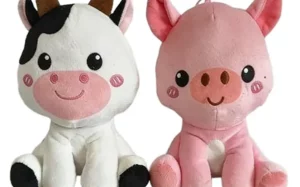
Esa capacidad es relevante para los compradores que solicitan juguetes de peluche al por mayor porque el trabajo de muestras, la programación de la producción, la inspección y el embalaje de exportación necesitan coordinación. YIWU VICTORY también cubre peluches de entretenimiento, peluches para venta minorista y promoción, peluches navideños, peluches para mascotas y juguetes de peluche de animales de granjaDe esta forma, un comprador puede planificar una colección sin tratar cada artículo como un proyecto completamente aislado.
Un comprador que compara proveedores debe buscar algo más que un precio bajo. Entre las señales más claras se incluyen una ruta de muestreo definida, confirmación escrita de los materiales, reuniones previas a la producción, fotos de inspección, prueba de tracción o vídeo con detector de agujas cuando sea necesario, comprobación de cajas y etiquetas, y registros fotográficos de la carga de contenedores. Estos detalles parecen meramente operativos, pero protegen al comprador cuando el pedido aumenta de volumen.
Para los nuevos compradores, un camino práctico es comenzar con un primer estilo definido, confirmar la cantidad mínima de pedido de juguetes de peluche por diseño y color, y luego elaborar un plan de reordenamiento. Un método confiable fabricante de juguetes de peluche personalizados puede sugerir dónde los materiales estándar, los patrones existentes o el embalaje compartido reducen la presión sin debilitar el producto. Para archivos de diseño, plazos de lanzamiento o solicitudes de animales de peluche personalizados a granel, Soporte para consultas sobre productos Proporciona al equipo de ventas los detalles necesarios para dar una respuesta realista sobre la cantidad mínima de pedido (MOQ).
Preguntas frecuentes
P1: ¿Cuál es la cantidad mínima de pedido (MOQ) habitual para juguetes de peluche personalizados?
A1: Para los juguetes de peluche personalizados convencionales, un rango práctico para empezar puede ser de 600 a 1000 piezas, mientras que las formas complejas, los materiales especiales o las funciones requieren una revisión basada en el proyecto.
P2: ¿Los juguetes de peluche con un pedido mínimo bajo pueden seguir superando los controles de seguridad y calidad?
A2: Sí, siempre que el proveedor mantenga la confirmación de muestras, los controles de materiales, la inspección AQL, el etiquetado y los requisitos de prueba en lugar de recortar los pasos de calidad.
P3: ¿Qué deben preparar los compradores antes de solicitar precios al por mayor para peluches personalizados?
A3: Envíe el tamaño, los archivos de diseño, la cantidad por estilo, la tela, el relleno, el embalaje, el mercado de prueba, el plan de envío y la fecha de lanzamiento para que la fábrica pueda cotizar una cantidad mínima de pedido (MOQ) realista.


