2026 / 08 / 03
How Much Does It Cost to Make a Custom Plush Toy
A buyer rarely asks about price only once. The first question may sound simple, but custom plush toy costs change as soon as the design moves from a sketch to fabric, sewing, stuffing, packaging, testing, and freight. A flat embroidered mascot behaves very differently from a shaped pet plush with long fur, weighted particles, retail tags, and a tight delivery window.
That is why a serious quote should explain the cost logic, not just send a number. A useful custom plush price separates one-time development work from repeat production costs and shows which choices are optional, which are required for safety, and which may affect saleability after the goods arrive.
Why One Fixed Price Rarely Works
A plush quote starts with the design brief. Clear drawings, size notes, fabric references, logo files, packaging ideas, and target markets help the supplier estimate faster. If the project begins with a rough character idea, more work shifts to pattern-making, sample-shaping, and material matching.
Artwork Maturity Changes the First Quote
Flat artwork often hides problems. A round cheek, long body, oversized head, embroidered mouth, or tiny accessory may look fine in 2D yet need several pattern adjustments before the toy sits, hugs, or stands correctly. A factory with design and sampling support, such as the ODM/OEM process used by YIWU VICTORY, can turn these details into a sample route rather than treating them as afterthoughts.
Not every character you love on screen, in comics, or in video games translates directly into a plush toy. The key isn’t to copy their face or shrink their proportions—it’s about capturing their essence and bringing it to life in a new language: tactile, three-dimensional, and full of emotion.
At YIWU VICTORY, we’ve spent over 20 years perfecting every detail so that our plush toys truly connect with you:
- Shape & balance: We adapt each character to be recognizable, stable, and long-lasting.
- Expression & personality: We craft features and looks that tell a story from the very first glance.
- Touch & materials: We carefully select fibers and textures that meet the highest safety standards—and feel wonderful to hug.
Every plush we create is a blend of creativity, sensitivity, and craftsmanship. Every little detail makes all the difference when turning artwork into reality.
Prototype Revisions Are Real Production Work
Sampling cost comes from pattern work, fabric sourcing, cutting, sewing, embroidery, filling, and correction time. A custom stuffed animal cost becomes easier to manage when the buyer gives firm comments after each sample round. Vague feedback such as “make it cuter” usually increases revision time, while marked photos and clear size notes help the factory solve the right problem.
Cost Factors Buyers Should Separate
Two quotes can look close on the surface and still mean different things. One supplier may include sampling, basic packaging, safety testing support, and export handling. Another may quote only the unit toy. The custom plush toy cost looks lower at first, then changes once labels, carton marks, test samples, or gift boxes are added.
In practice, the cost review usually comes down to a few plain questions. Is the body large, weighted, or hard to keep in shape? Does the fabric shed, flatten, or require a special color? Are the eyes embroidered, printed, plastic, or glittered? Does the order need warning bags, hang tags, retail boxes, barcode labels, or stricter AQL inspection? Each answer changes labor, material use, checking time, and carton planning.
Size, Filling, and Shape
Size affects fabric consumption, filling volume, sewing time, and carton space. A 20 cm farm animal plush filled with elastic PP cotton has a different structure from a 35 cm dog plush with long fabric and a larger body. On the kawaii farm animal plush toy set page, the standard size is about 20 cm, with premium short plush and PP cotton filling.
Fabric, Embroidery, and Accessories
Fabric choice can move the plush toy manufacturing cost more than buyers expect. Premium short plush, rabbit fur, European mink plush, long plush, and elastic ultra-plush all behave differently when cut, sewn, brushed, packed, and handled by children. Embroidered eyes reduce small-parts risk, but detailed embroidery still needs digitizing, thread colors, stitch control, and extra checking.
MOQ, Sampling, and Bulk Production
MOQ is not only a sales rule, even if it can feel that way during sourcing. It spreads fixed work across the order: pattern development, sample correction, machine setup, material ordering, packaging preparation, inspection documents, and export handling. A low-volume custom soft toy can be possible, but the per-unit burden is usually heavier.
Small Orders Carry More Shared Cost
Buyers comparing a custom plush price should ask which costs are one-time and which will repeat. Pattern development, embroidery setup, and packaging dielines may be lower on repeat orders using the approved design. Fabric, filling, sewing, trimming, inspection, packaging, and freight still repeat every batch.
Factory Capacity Affects Cost Stability
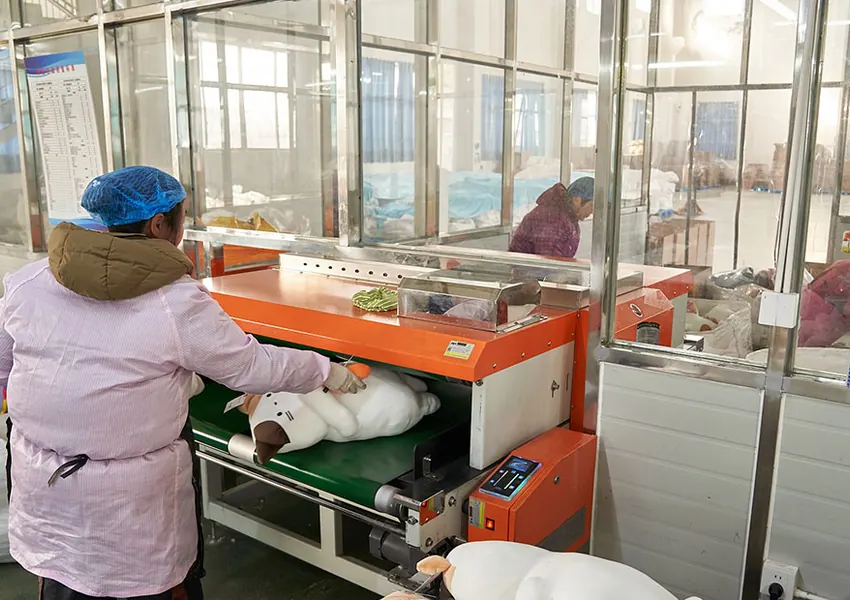
YIWU VICTORY IMP. & EXP. CO., LTD. has worked in plush toy design, manufacturing, and export since 2001. It has 300 workers, several production bases, design rooms in Yangzhou and Yiwu, and a monthly capacity stated as 30000 dzs. This helps a buyer discuss large and small orders with more production context.
Quality, Packaging, and Shipping Costs That Hide in the Quote
The cheapest quote can become expensive if toys fail inspection, lose shape in cartons, arrive with wrong hang tags, or need air freight after rework. Quality control is part of the custom stuffed animal cost because it protects the buyer from returned goods, delayed launches, and disputes with retailers.
Testing and AQL Requirements
For export plush toys, safety and inspection rules should be discussed before bulk production. Victory materials record BSCI, ISO 9001:2015, EN71, ASTM, Disney-related factory audit experience, and product pages often mention ASTM F963, CE, CPC, or EN71 compliance. The company’s AQL material classifies critical defects as zero tolerance, major defects under AQL 2.5, and minor defects under AQL 4.0. Loose eyes, sharp parts, open seams, wrong labels, and failed testing can stop a shipment.
Packaging and Freight
Packaging changes both protection and freight cost. A simple individual bag may suit wholesale distribution, while retail buyers may need barcodes, warnings, hang tags, gift boxes, or display-ready cartons. The final quote should also reflect carton dimensions, compression decisions, shipping marks, and destination rules. For shaped or premium toys, too much compression may flatten the face, ears, bow, or long-pile fabric.
How to Read a Custom Plush Quote
A practical quote does not need to be complicated, but it should be readable. The buyer should see what is included, what still needs confirmation, and which design choices would raise or lower the final plush toy manufacturing cost.
Start with the product: final size, body shape, fabric, filling, eyes, embroidery, accessories, labels, packaging, and testing. Then review the order: MOQ, sample rounds, approved sample control, production timeline, inspection standard, carton quantity, and shipping method. If a buyer wants a customized pet design, a page such as custom dachshund plush toy shows why shape, outfit, cotton choice, and decorative details need to be confirmed before mass production.
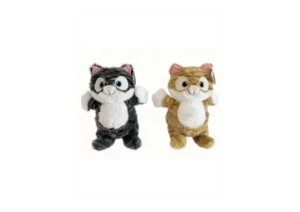
For an existing style, the route may be simpler. The cat plush toy page lists rabbit fur, high-elastic PP cotton, embroidery details, and safety certification information. A custom soft toy based on an existing body may still need fabric color, logo, hang tag, and package changes, but the base pattern and production method are clearer.
When the brief is still open, buyers can ask the supplier to show two or three options: a basic version, a retail-ready version, and a premium gift version. Then cost discussion becomes practical: embroidery versus printing, poly bag versus gift box, and standard inspection versus stricter retail requirements.
FAQ
Q1: What information is needed to estimate custom plush toy cost?
A1: Send the design reference, size, quantity, fabric idea, filling feel, logo or embroidery files, packaging needs, destination market, and testing requirements. These details let the supplier quote the real project instead of guessing.
Q2: Why does custom stuffed animal cost change after sampling?
A2: Sampling may reveal pattern, fabric, stuffing, face shape, embroidery, or accessory issues that were not visible in the artwork. Clear sample comments usually control changes better than vague design feedback.
Q3: Can a supplier help lower the custom plush price without hurting quality?
A3: Yes. A supplier can suggest practical changes in size, fabric, embroidery density, packaging, MOQ, or carton planning. The safer route is to remove unnecessary costs, not the checks that protect safety and saleability.


